
Solutions
Solar panels, built to perform in Canada
Every solar panel system engineered around your actual electricity usage and site conditions. Premium design and installation that produces reliably for decades.
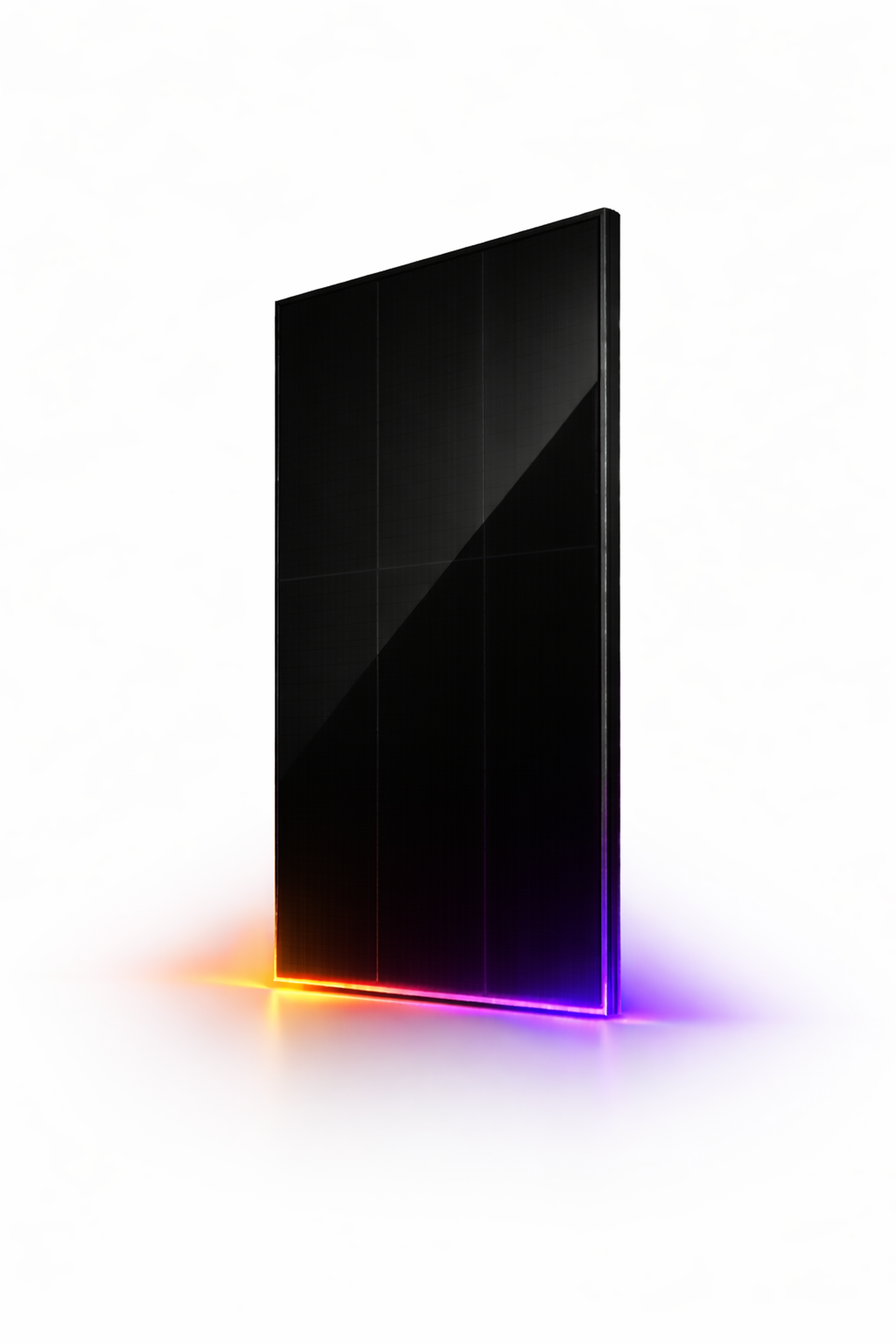
Solar Energy Solutions
At a Glance
Firefly Solar designs and installs solar panel systems for residential, commercial, agricultural, and builder projects across Canada. We size each system to your electricity usage, site constraints, and local net-metering rules, then deliver end-to-end: design, permits, installation, inspection, and support.
Rooftop Solar
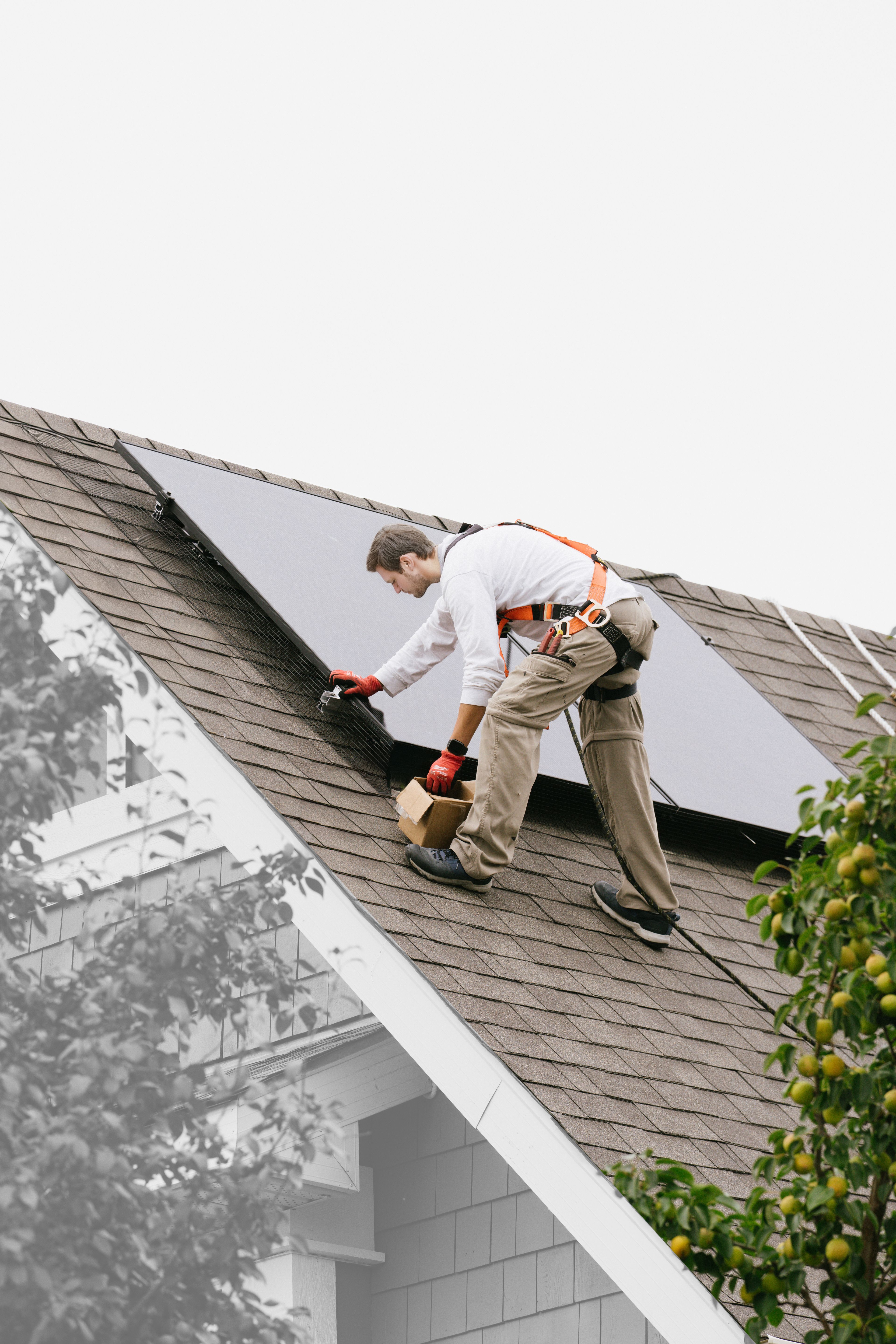
The most common path for homes and businesses. Rooftop solar uses existing roof area to capture maximum sunlight without requiring additional land.
Ground-Mount Solar
Ideal when you have available land. Ground-mount racking achieves optimal tilt and orientation, with easier maintenance and straightforward future expansion.
Carports & Canopies
Transform parking areas into energy-generating assets. Solar carports provide shade and weather protection while producing power. A visible, dual-purpose investment.
Commercial Flat-Roof
Ballasted racking uses weight rather than penetrations, protecting commercial roof membranes. Flat-roof systems scale efficiently with proper engineering.
Panels & Inverters
The Technology We Install
We select every panel and inverter for long-term performance in Canadian conditions. No compromises on efficiency, warranty, or reliability.
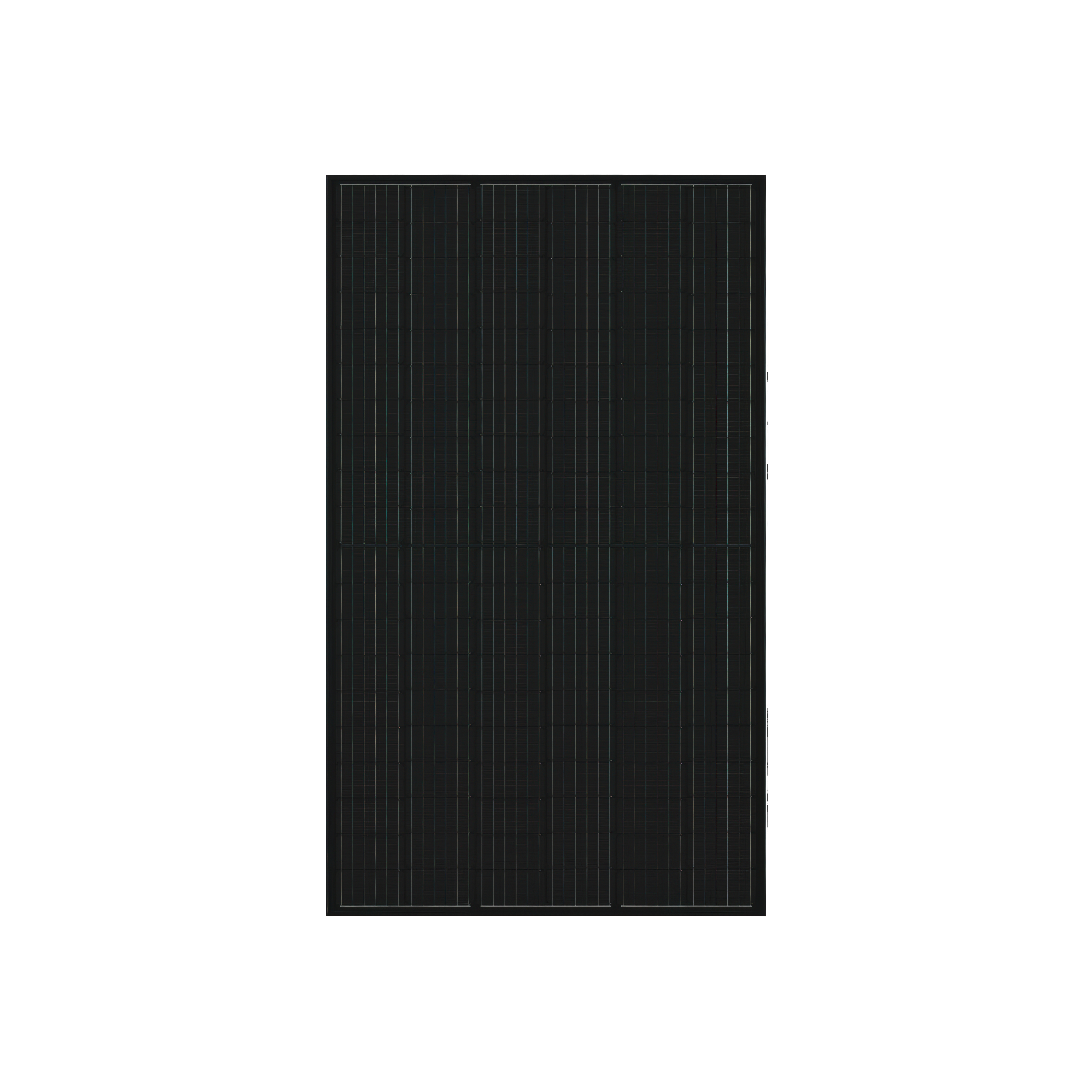
LONGi Solar LR8-500W
High-efficiency monocrystalline panel built with HPBC cell technology. All-black aesthetics for a clean rooftop appearance, with superior low-light performance across Canadian seasons.
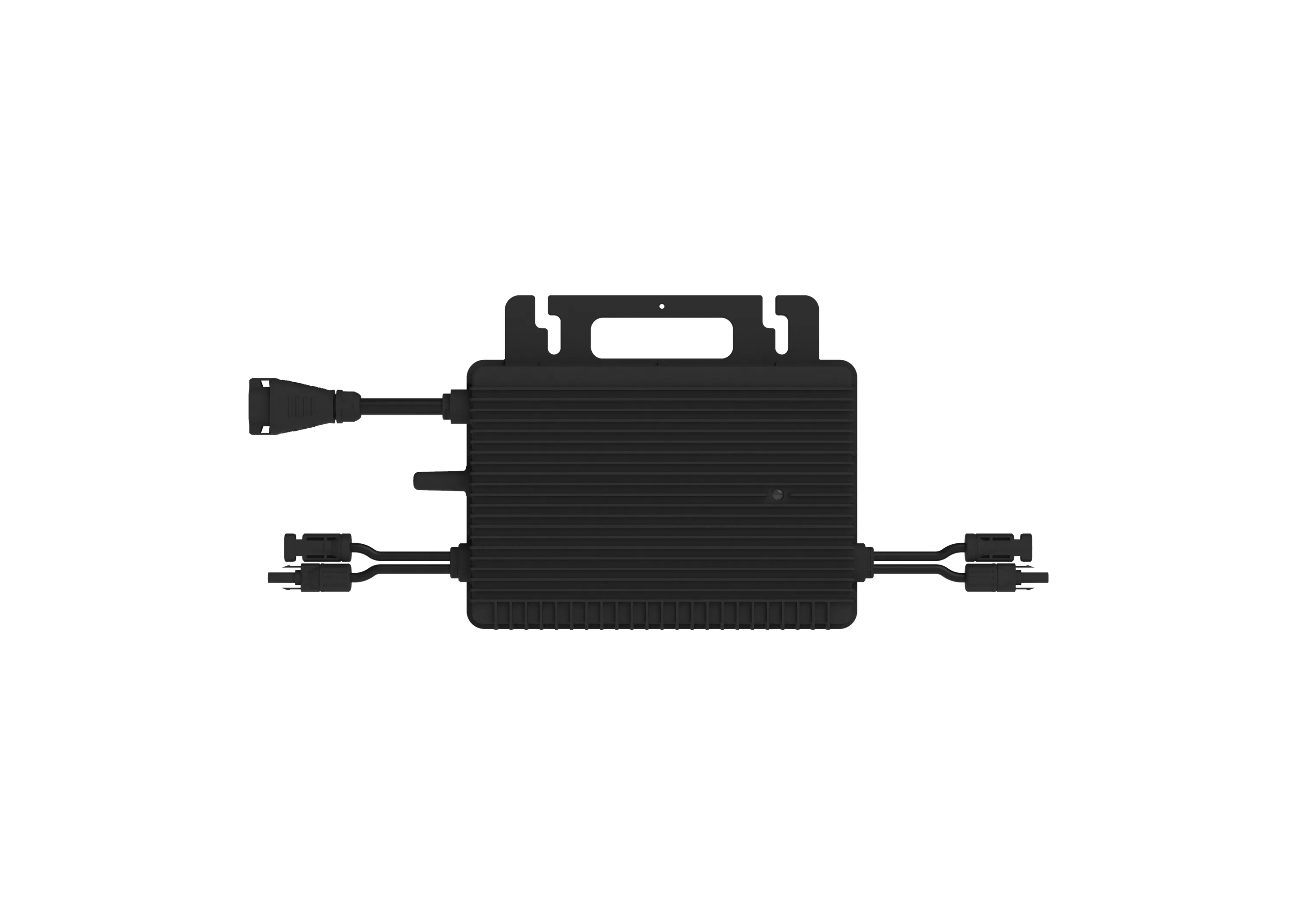
Hoymiles HMS Series
Module-level power electronics with independent MPPT per panel. Each panel produces independently, so shading on one panel does not reduce your entire system output.
System Anatomy
Solar System Components
Every component is selected and sized as part of a complete, engineered system.
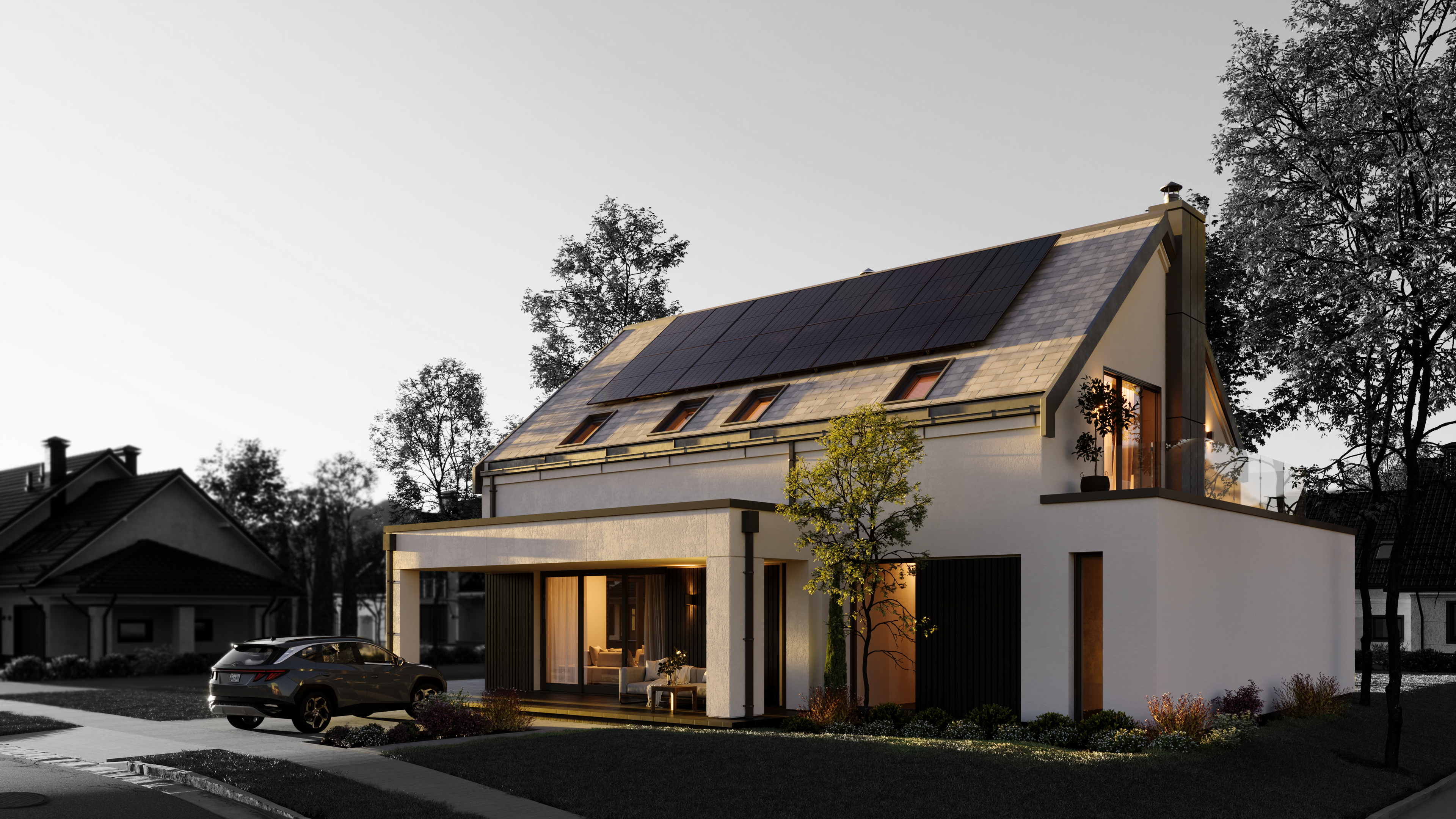
PV Modules (Solar Panels)
Convert sunlight to DC electricity. Module quality matters, but so does layout and mounting. Solar panel cost has declined dramatically while efficiency has improved, making systems increasingly accessible.
LONGi is the world's largest solar panel manufacturer with a AAA bankability rating. We pair their panels with best-in-class inverters for consistent long-term output on Canadian rooftops.
Project Types
Installation Types
The right installation approach depends on your property, goals, and available space.
Rooftop Solar
The most common path for solar panels for home and business. Rooftop solar uses existing roof area to capture maximum sunlight without requiring additional land.
Structural capacity for snow and wind loads
Orientation and shading patterns affecting production
Electrical panel capacity and service size
Roof condition and remaining lifespan
Solar Panels FAQ
Frequently Asked Questions
Ready to go solar?
Get a free solar proposal tailored to your property, usage, and goals. Our team will design a system optimized for maximum production and return.