
British Columbia's solar market combines moderate annual sunshine (1,900 to 2,100 hours) and low BC Hydro electricity rates.
Key Takeaways
- Solar is a 25 to 30 year decision. Local install volume and stability matter more than sticker price.
- BC-specific criteria: BCSEA Tier membership, BC Hydro and Fortis net metering fluency.
- Red flags: Vague warranties.
How do you evaluate a solar company in British Columbia?
Company stability and scale
- Years installing in BC specifically (not years incorporated)
- Total BC install volume across regions
- In-house team vs subcontracted crews
- Multi-region BC presence (Lower Mainland vs Vancouver Island vs Interior)
Local install experience
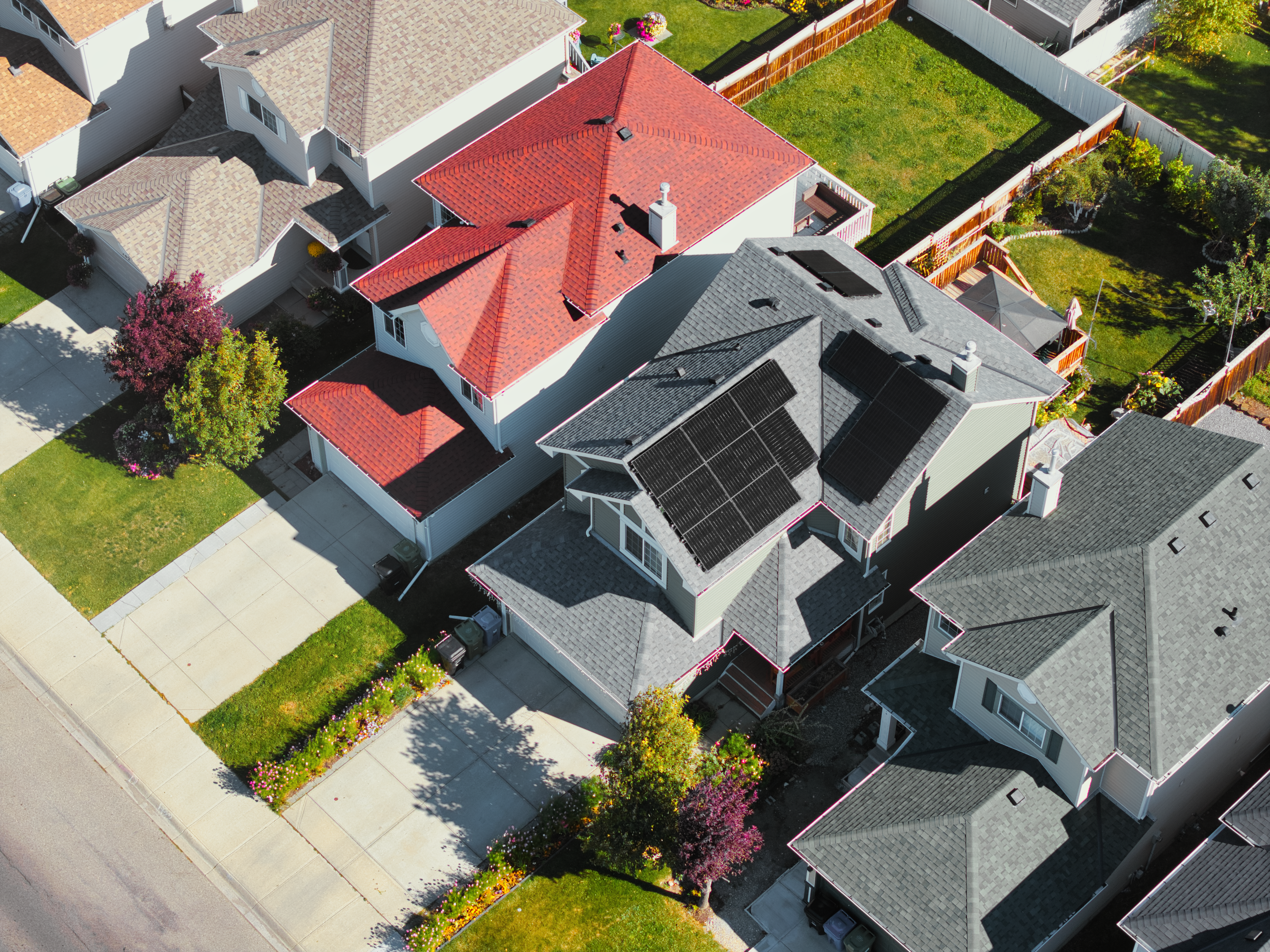
BC residential roofs vary widely across regions. Lower Mainland suburbs, Vancouver Island acreages, Okanagan and Kootenay homes, and Northern BC properties each have different roof characteristics, climate considerations, and utility relationships.
Installation quality
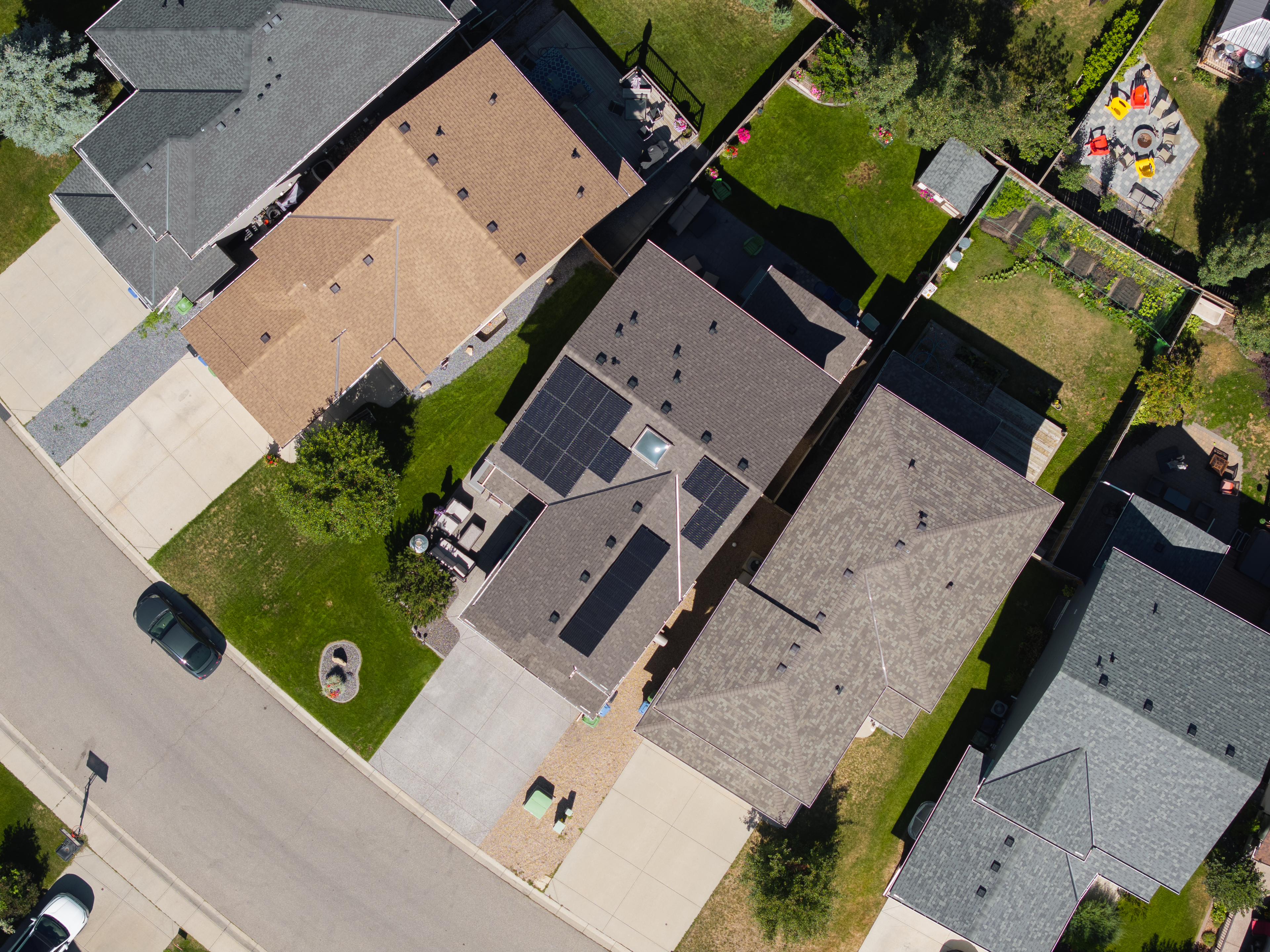
Visible: cable management, conduit routing, panel alignment, racking corrosion finish. Invisible (ask about): Permit completion, BC Hydro or Fortis net metering paperwork, system monitoring configuration.
EGBC-stamped engineering (BC standard)
BC's professional engineering body is the Engineers and Geoscientists British Columbia (EGBC). Every legitimate BC solar installation requires EGBC-stamped designs covering structural review and electrical engineering.
BC Hydro and Fortis net metering fluency
BC's two main utilities (BC Hydro covers most of the province; Fortis covers the southern interior and parts of Vancouver Island) each have their own micro-generator approval workflows. A good BC installer is fluent in both.
Service and support model
In-house service teams answer faster than subcontracted electricians.
Warranty backing
- Panel: 25 to 30 years (manufacturer)
- Inverter: 12 to 25 years (manufacturer)
- Workmanship: 5 years (installer)
Industry memberships
- BCSEA (BC Sustainable Energy Association), where Tier membership levels indicate commitment
- CanREA member
- BBB accreditation
What local conditions change what "best" means in BC?
BC Hydro's relatively low electricity rates
BC has lower residential electricity rates than Alberta or Atlantic Canada. Solar payback periods in BC typically run 8 to 12 years (slower than Alberta's 5 to 10). Solar still works as a long-term hedge against rate increases, but the immediate economics are tighter.
Cloudy winters
BC coastal winters are wetter and cloudier than Alberta winters. Less efficient panel operation but compensated by milder temperatures (less seasonal swing).
BC Hydro Solar Rebate
BC Hydro currently offers solar and battery storage rebates. Confirm current values at our incentives and rebate tracker. A good BC installer knows the current program state.
What are the local solar incentive options in BC?
| Program | Eligibility | Headline value |
|---|---|---|
| BC Hydro Solar Rebate | BC Hydro customers | Up to $5000, $1000 per kW capped at 50% of total install cost |
| Battery Storage Rebate | BC Hydro customers | Up to $5000, $500 per kilowatt hour (kWh) of installed storage capacity |
| Net metering | BC Hydro and Fortis customers | Annual settlement, retail rate |
| Federal Greener Homes Loan | CLOSED Oct 2025 | n/a for new applications |
Red and green flags in BC quotes
Red flags
- Engineering drawings that don't reference EGBC stamping
- High-pressure sales tactics
- Vague warranty language
Green flags
- EGBC-stamped engineering
- Real BC install photos (Vancouver Island, Lower Mainland, Interior)
- BCSEA Tier membership
- Direct manufacturer relationships
Frequently Asked Questions
Ready to get a BC solar quote?
Request a free assessment and we'll walk you through the math for your British Columbia residential home, including coastal corrosion considerations, solar panel sizing, and battery storage options. For Canada-wide context, see the Solar in Canada pillar or the Canada rebates pillar.